
An ice cream truck can make an event feel easy to enjoy because guests choose a familiar wrapped treat without a complicated service line. Cool Times Ice Cream serves the St Louis area with branded trucks and carts, offering packaged frozen novelties such as popsicles and drumsticks. The best booking plan starts with the guest count, location, service window, and a realistic mix of products. This guide explains how to plan the treat selection and truck visit for events in St Louis, St Charles, and St Peters, Missouri.
Start with the event format and guest count
A school field day, office appreciation break, neighborhood party, and wedding late night snack have different serving rhythms. Tell the company what kind of event you are hosting, the expected number of guests, and whether most people will arrive at once. A truck can serve a steady stream differently from a rush between two scheduled activities. If guests will receive a treat at no charge, decide whether the host will cover one item per person or a broader selection. If the truck will sell directly to guests, ask how that arrangement works. Include children and staff in the estimate so the order is not based only on registered attendees. A realistic count helps the company suggest the right service window and inventory mix. It also prevents a line from consuming the entire event.
Choose wrapped treats that fit the group
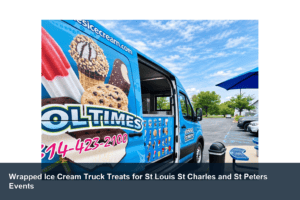
Packaged novelty selections can include fruit flavored popsicles, chocolate coated bars, drumsticks, and other individually wrapped products, subject to current availability. A mixed group often benefits from more than one flavor or format. Ask Cool Times for the current menu and whether a preferred item can be reserved for the date. Do not assume a product shown in an older photo is always stocked. Consider whether guests want a lighter fruit option, a chocolate choice, and a classic cone shaped novelty. A clear range can help people decide quickly at the service window. If the host is paying for a limited set, choose options that suit the budget and the expected age range. The truck’s recognizable blue branding and product decals make it easy for guests to find the treat stop.
Plan for allergies and dietary needs without guessing
Frozen novelty ingredients vary, even when products look similar. Some may contain milk, peanuts, tree nuts, soy, or other ingredients, and manufacturing information can change. Ask the provider what current package labels will be available and tell guests with allergies to read the actual wrapper or ask a qualified staff member before choosing. Do not describe an item as allergy safe based only on its flavor or color. If the event has known dietary needs, discuss options early rather than assuming the truck can solve them on site. A packaged product has an advantage: the manufacturer’s label can provide ingredient and allergen information at the point of selection. The host should still avoid making a blanket safety promise. If a guest cannot find a suitable product, a separate accommodation may be needed.
Confirm truck access and a safe stopping place
An ice cream truck needs a suitable location to arrive, park, and serve without blocking traffic or emergency access. Tell Cool Times whether the event is at a school, office, park, home, or street gathering. Check driveways, gates, height restrictions, curb space, and the distance from the main guest area. A truck that is visible but not in the path of vehicles makes service easier. For a school or public venue, confirm any permission, vendor, or parking requirements with the property manager. If the truck cannot reach the best serving area, ask whether a cart arrangement is available and appropriate. Do this before announcing the exact location to guests. A simple map and arrival contact number can save time on event day.
Set a service window that fits the program
The truck should arrive when guests can actually leave their activity and reach it. A twenty minute recess for several hundred students creates a different demand from a two hour open house. Share the schedule, guest waves, and any speeches or performances that might pause service. The company can advise on a realistic window based on inventory and expected volume. Give the truck access time for arrival and setup; the public service window should not begin the moment the vehicle enters the lot. If rain, heat, or a schedule shift is possible, ask how timing changes are handled. A well placed treat break can become a highlight without delaying the rest of the event. The host should communicate the final window clearly to teachers, employees, or guests.
Use carts when the venue calls for a smaller footprint
Cool Times also offers carts. A cart may suit an indoor venue, a tight courtyard, or a site where the truck must remain farther from the crowd. Ask what a cart can carry, how it is transported, what staffing is needed, and whether the products and payment options match the truck plan. A cart is not a substitute for a truck by default; it is another service format that may fit the space. For a St Charles or St Peters event in a hall or campus building, the property manager’s access rules may determine the best choice. Tell the company about stairs, elevators, loading areas, and the distance from vehicle to serving point. The product remains a wrapped frozen treat; the format changes how guests reach it.
Make school and youth events orderly
For a school event, divide guests into groups or time blocks if a large number of students will be served. Decide whether teachers will escort classes, whether students choose freely from the menu, and how the host will track any per-person limit. Ask about the service capacity and current menu so the school can plan a realistic rotation. Communicate allergy procedures to staff and families in advance. Package labels should be available for individual product review, but the school may need its own accommodation process. Identify the truck parking area and keep students away from vehicle movement. A well planned visit feels simple to students because adults have already solved timing, access, payment, and supervision.
Plan company appreciation and neighborhood events
An office treat break can work as a short pause during a workday, while a neighborhood event may need a longer window as families arrive at different times. For offices, share shift changes and the number of workers at each location. If employees in a second shift should be included, a single midday visit may not serve everyone. For a neighborhood party, tell the company whether the street is open to traffic and who controls the parking area. Ask how guests will pay or how a host sponsored order is tracked. In St Louis, St Charles, and St Peters, the travel and service plan should be confirmed for the actual address. Local names in a marketing page do not replace an address specific booking conversation.
Communicate the treat stop clearly to guests
Once the booking is confirmed, tell guests where the truck or cart will be, the service window, and whether the host is covering treats. If only certain items are included, explain that in plain language before people reach the window. A photo of the Cool Times branded blue truck can help people recognize it, but use the current event instructions rather than an old menu picture. For a school, send the information through the usual family channel. For an office, include the details in the event calendar. Avoid promising a specific product until the company confirms it will be available. Clear communication reduces questions at the service window and helps everyone enjoy the visit.
Confirm details before event day
Recheck the date, arrival time, exact address, site contact, parking location, guest estimate, payment arrangement, and menu plan. Ask the company how it handles a weather change or a last minute schedule adjustment. If the venue requires insurance or vendor paperwork, allow time for that review. Tell the property manager when the truck is expected so the entrance is clear. Have a host reachable by phone when the vehicle arrives. The event day should not be the first time the driver learns about a gate code, narrow driveway, or restricted loading area. Cool Times Ice Cream’s official site is the best starting point for current booking information, product choices, and service area confirmation. The strongest event plan is specific enough that the team can arrive, park, and serve without guessing.
A practical school field day example
Suppose a St Peters school expects 280 students and staff during a field day. The organizer should tell Cool Times the total count, the length of each grade rotation, the proposed truck parking area, and whether the school will pay for one wrapped treat per person. If each group has only ten minutes, the company may recommend a different schedule or a narrower menu to keep service moving. The school should identify an adult to direct students and a separate contact to handle payment questions. Allergy information should be shared through the school’s normal process, and families should be told to check the actual product wrapper. These details make the visit manageable without promising that every student will choose the same treat.
A practical office appreciation example
A St Louis business with a morning and evening shift should decide whether one visit can reach both groups. It may plan a longer window, two visits, or a different arrangement after discussing availability with the provider. The organizer should count contractors and visitors if they are invited, state whether the company covers one treat per person, and send the truck to a lot where staff can walk safely. A short message with the exact time and parking area helps employees use the benefit. If the office has a secured gate, provide a reachable contact and entry instructions. The branded Cool Times truck can be a visible focal point, but the schedule and access plan determine whether the event actually works.
A practical neighborhood party example
For a St Charles neighborhood celebration, estimate both the number of households and the likely number of children and adults. Decide whether the association will pay or residents will purchase individually. Confirm permission to park and serve, especially if the vehicle will use a common area or street. The organizer can post the time and location in the neighborhood’s usual communication channel and remind guests that available treats are wrapped novelties from the current truck menu. A weather plan matters for outdoor gatherings: ask how a change is communicated and whether the service time can move. The host should have one contact available when the truck arrives so the driver does not have to navigate several conflicting instructions.
Why the wrapper matters for event planning
Individually wrapped products can be handed to guests quickly and keep the manufacturer’s ingredient label with the item. That helps a guest make an informed choice, although it does not remove the need for careful allergy review. Wrapped treats are also easy to distribute in short event windows because they do not require building a custom dessert at the window. The host can plan quantities by product category and provide a simple choice rather than an unlimited menu. Packaging still creates waste, so ask the venue where bins should go and place them near the serving area. The wrapper is part of the service design: it affects speed, information, cleanup, and what guests can take back to their group.
Choosing between truck and cart for the same event
A truck can make a strong outdoor arrival and carry a visible menu, while a cart may be better when the serving point is inside or the truck cannot park near guests. Compare the access route, guest count, service window, product capacity, and property rules. Ask Cool Times which format is available for the date and whether the product selection differs. Do not assume a cart can simply be rolled across a lawn, up stairs, or through a narrow doorway. Provide measurements or photos of any difficult route. In a large campus, the truck may serve near the main entrance while a cart reaches a courtyard. The best choice is the one that lets guests reach the wrapped treats safely and conveniently.
The final booking checklist
Before confirming, put the date, address, venue contact, truck or cart format, guest count, service window, payment arrangement, product plan, and parking instructions in one message. Ask the company to confirm any site requirement or weather policy that affects the booking. Tell guests only what has been agreed, especially if a particular treat is important. On event day, have a host ready to meet the vehicle and direct guests to the serving point. This simple checklist helps an event in St Louis, St Charles, or St Peters run smoothly. The memorable part can then be the blue Cool Times truck and wrapped treats, rather than confusion about where it should park.
Cool Times Ice Cream describes its branded truck and cart services and current booking information on its official website.
Frequently Asked Questions
Does Cool Times use an ice cream truck in St Louis?
Yes. Cool Times Ice Cream advertises branded ice cream truck service in the St Louis area. Contact the company to confirm availability for your date and address.
Can Cool Times serve St Charles and St Peters events?
The company serves the broader St Louis region. Confirm current availability and travel details for a specific St Charles or St Peters address when requesting a booking.
Are the treats wrapped?
The company’s truck menu features packaged frozen novelties such as popsicles and drumsticks. Ask for the current item list because flavors and brands can change.
Does Cool Times offer a cart?
Yes. Ask whether a cart is suitable for your venue, guest count, access route, and planned service window.
How many treats should I plan for?
Start with the expected guest count and decide whether the host covers one item per person. Tell the company about peak arrival times and any extra staff or family members.
Can guests read allergen labels?
Individually wrapped products generally carry manufacturer labels. Guests with allergies should inspect the actual package and ask about current ingredients; do not rely on an old online menu.
Can the truck park at a school?
The school or property manager must approve a safe parking and serving location. Share access details and student flow plans with the company before the visit.
How long should the service window be?
The right length depends on guest count, how quickly people arrive, and the event schedule. Discuss those details with Cool Times before setting the public time.
Should I choose the exact menu before booking?
Ask for current options and discuss any favorites or dietary needs early. Product availability can change, so confirm the final selection close to the event.
What information do I need to request a booking?
Have the date, address, event type, estimated guest count, desired time, parking details, and payment plan ready. Those details help the company propose a workable visit.