
- Key Takeaways
- Spotting The Trucks
- STL Flavors
- Community Hubs
- The Business Side
- A Personal Take
- Beyond The Truck
- Conclusion
- Frequently Asked Questions
- How can I find ice cream trucks currently operating in St. Louis?
- Do St. Louis ice cream trucks accept cards or only cash?
- Are ice cream trucks in St. Louis licensed and inspected?
- What regional flavors or treats are unique to St. Louis trucks?
- When do trucks usually show up in St. Louis neighborhoods?
- Can I book a St. Louis ice cream truck for a private event?
- Are there allergy-friendly options available from local trucks?
Key Takeaways
- Neighborhood and park hotspots – ice cream trucks often make the rounds in places like The Hill, Soulard, Forest Park and Tower Grove Park. Use local Facebook groups and truck social feeds to get real-time locations.
- Follow vendors such as Seoul Taco and Guerrilla Street Food and community forums to get route alerts, flavor drops, and event lineups. Digitally track trucks and events.
- Think local flavors and partnerships utilizing Missouri dairy and regional favorites such as gooey butter cake and toasted ravioli inspired mashups, along with seasonal finds from establishments like Kirkwood Farmers Market.
- Turn trucks into community hubs by monitoring weekday and weekend schedules for school functions, block parties, and festival food courts. Extend invitations to trucks for neighborhood fundraisers or private events.
- Consider business realities when planning visits or partnerships. There are permit differences across St. Louis and surrounding suburbs, seasonal scheduling, parking limits, and the advantage of cool branding or a catchy jingle.
- We support trucks all year long through pop-ups, catering bookings, and visits to hybrid brick and mortar locations. We seek out cross-promotion with local bakeries and food trucks to find specialty menu items.
An ice cream truck in St. Louis is a mobile vendor that sells frozen treats across neighborhoods and events. Vendors adhere to city health regulations and frequently offer highly sought-after Midwestern flavors such as custard, frozen custard concretes, and local soft-serve.
Routes focus on parks, festivals, and college areas surrounding WashU and SLU. Prices typically range from $2 to $6 each.
The post describes where to locate trucks, sample menus, and permit basics in St. Louis.
Spotting The Trucks
Ice cream truck St. Louis patterns follow local rhythms: neighborhoods, parks, events, and online chatter shape where trucks appear and when they move. The city’s combination of residential streets, massive green spaces, and a constant festival calendar makes the tracking worth it for anyone in the mood for seasonal treats or truck cuisine.
1. Neighborhood Hotspots
The Hill, Soulard, Central West End and Clayton attract frequent ice cream truck St. Louis stops due to a high concentration of housing and after dinner foot traffic. Spotting the trucks parked at corner stores and community hot spots where children and parents congregate.
Classic taco and Seoul Taco-style trucks park nearby too, so there’s crossover crowds that increase visibility for these dessert sellers as well. When salty trucks park in proximity, feet pile up and purveyors exchange patrons.
Mobile operators like Steak Louie and Vincent Van Doughnut hit up quieter residential blocks with routes that are tied to school dismissal time and weekends. They schedule stops to coincide with community beats.
Local Facebook groups and Nextdoor threads, as well as Instagram stories provide almost real-time warnings on when trucks pop up. Follow them for last-minute route changes or special menu drops.
2. Park Perimeters
Forest Park and Tower Grove Park are reliable ice cream truck St. Louis locations along popular walking trails and near botanical garden entrances. Malls provide reliable traffic.
Trucks love to position themselves next to playgrounds, sports fields, and picnic areas to draw in families and onlookers. Visibility matters because being near a path increases impulse buys.
Partnerships with other vendors such as Walk Away Waffles and Frankly Sausages occur during park events, creating mini food courts that increase dwell times and sales for all operators.
Weekends and the heat of summer generate the greatest diversity and number. Weekday afternoons have lighter schedules but frequent beats along dog-walk paths.
3. Event Epicenters
There are so many ice cream truck units in St. Louis at festivals, farmers markets, and street fairs around Ballpark Village and Grand Center. Event organizers hire trucks to guarantee that there’s some dessert in the midst of all the savory vendors.
Food truck courts and organized lineups assist in dispersing the crowds and avoiding bunching. Trucks, like Lulu Seafood and Cake Stop, partner with ice cream sellers at community events to complete offerings.
Event sites, posters and organizer social feeds will have anticipated vendors listed. Watch these sources prior to bigger fests for verified lineups.
4. Digital Tracking
Mobile apps and Twitter/Instagram feeds give you live pings on truck locations and menu updates. Many pilots publish GPS-tagged tales when they land.
After Seoul Taco, Guerrilla Street Food, and Local Ice Cream Truck, St. Louis accounts provide quick path updates and flavor warnings. Fans post spotting reports on forums.
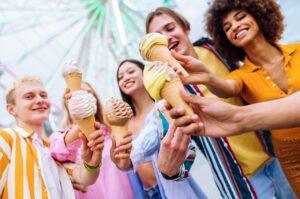
About: Truck spotting Set alerts for special runs and limited runs to catch themed flavors and pop-ups.
5. Suburban Routes
Kirkwood, Clayton, Webster Groves and Chesterfield have their own routine suburban stops where farmers markets and school events lure trucks. Suburban routes have family-friendly time windows.
Trucks such as Bop and Slide Piece cater to the quieter streets and market plazas that parents and kids congregate on. Suburbs present foreseeable parking and less competition.
Just throw block parties and invite trucks to come directly. Drivers don’t mind taking bookings for private neighborhood parties.
STL Flavors
St. Louis ice cream trucks provide a wide-ranging flavor profile that ranges from classic scoops to adventurous city street food and local ingredient inspired mashups. A lot of operators rip off methods and flavor profiles witnessed at Guerrilla Street Food and other such places, transforming sandwich concepts and layered sweets into ice cream that suits neighborhoods from The Hill to Midtown.
Local dairy, seasonal fruits, and iconic St. Louis sweets offer both base and garnish, so menus swing with weather and market runs.
The Classics
- Vanilla bean
- Chocolate
- Strawberry
- Mint chip
- Cookies & cream
- Chocolate chip cookie dough
- Butter pecan
- Neapolitan
Chocolate chip cookie dough and cookies and cream continue to be crowd pleasers for all ages, frequently selling out at outdoor festivals and around college campuses. Trucks typically have cones, sundaes, and milkshakes as fundamental formats, and those staples ground more complex constructions.
Drumsticks, ice cream sandwiches, and pre-packed novelties carry a profound nostalgia, which is a great tool for family routes and late night hoards.
Local Twists
Gooey butter cake, both stirred-in swirl and crumble topping, dense, buttery, is a staple St. Louis scoop on many menus. Red velvet arrives adorned by cream cheese ribbons and cake shards from area bakeries.
These partnerships with the likes of Vincent Van Doughnut drop fresh donut holes and glaze drips that immediately become best-sellers when mixed with vanilla or chocolate bases. Chefs and truck owners play with savory-sweet notes, providing spicy jalapeno chocolate or salted caramel with smoked pecans to mimic local flavors.
Seasonal specials use Kirkwood Farmers Market farm produce, such as peach in late summer and blackberry in early fall. These small-batch items are cared for to maintain texture and brightness. These items rotate, so Instagram followers find out fast where to get limited runs.
Frozen Custard
Frozen custard holds strong traction in St. Louis as the creamier alternative to hard-packed ice cream, typically served a bit warmer and denser due to its elevated egg yolk and cream ratios. Compared to regular ice cream, custard is silkier and melts at an alternate rate, which has an effect on toppings and cups.
| Truck/Pop-up | Location Focus | Notable Custard Item |
|---|---|---|
| Custard Cart STL | Central West End | Salted caramel custard with brownie bits |
| Riverfront Scoops | Mississippi riverfront events | Lemon custard with macerated berries |
| Midtown Creamery Truck | Near WashU and SLU | Chocolate custard with caramelized nuts |
Toppings for custard skew toward texture. Caramelized nuts, dense brownie chunks, and warm fruit compotes make custard builds more layered. Several operators allow customers to customize, blending in bakery nuggets or savory highlights for contrast.
Community Hubs
Ice cream trucks in St. Louis serve as impromptu community hubs where tiny, day-to-day encounters accumulate in neighborhood solidarity. They bring crowds to reliable locations, establish nighttime cadences with recognizable tunes, and connect hawkers on wheels with physical storefronts and local causes.
Neighborhood Rituals
Families schedule strolls around Tower Grove Park, Forest Park borders, and Webster Groves schoolyards to sync up with the Ice cream truck St. Louis circuit so little ones can catch the jingle and moms and dads can make a quick detour on their way home.
It can start after dinner on sultry nights or weekend afternoons when a truck is a sign that the day is drawing to a close and neighbors will convene at the corner. Trucks arrive at block parties and All-American July Fourth shindigs and, over the years, become family traditions.
Kids ask for the same novelty bars each season and grown-ups anticipate homemade favorites like toasted pecan or Missouri berry sorbet. The arrival generates a momentary rush as folks shout orders, money passes, and suggestions from regulars prod drivers to supplement or shuffle menu items to align with demand.
Event Staples
Whether it’s parades, Fair St. Louis riverfront events, neighborhood street fairs or college tailgates, mobile ice cream vendors are a part of the mix. Community Hubs Ice cream trucks hopped alongside food truck courts and pop-up markets to both extend dessert offerings and leverage a captive audience.
They book private events: weddings on the Benton Park lawn, birthdays in Lafayette Square, and corporate summer mixers downtown. For mobs, trucks depend on service-savvy schemes, pre-portioned goodies, obvious lines, and supplemental staff during rush windows to feed dozens in minutes and prevent queues.
They provide portion control that fits event requirements, from single-serve cones to family packs for the gang.
Local Partnerships
Community Hubs Ice cream trucks collaborate with local bakeries, creameries and farms to expand menus and cross-promote. Partnerships with other vendors, like Farmtruk and Seoul Taco, manifest in mutual promotions at market nights and food halls, where one truck might carry a bakery’s brownies or a farm’s honey.
Several trucks even procure their milk, fruit and eggs from farms in Missouri to feature seasonal flavors, such as strawberry in June and peach in August, while minimizing the distance between producer and consumer for freshness.
Pop-up collaborations with St. Louis restaurants gave chefs a chance to experiment with ice-cream-based desserts or fusion flavors, with trucks dishing out samples at launch nights.
These connections assist small businesses in leveraging each other’s audiences and reducing marketing expenses while providing consumers with unmistakably local provenance.
The Business Side
As with all business ventures, you’ll want to do some clear planning on the logistics, permits, menu design, and brand strategy before drilling into the daily ops.
Seasonal Strategy
Business Side Trucks adjust routes and hours with weather and event calendars, kicking off later in spring and running later into warm evenings. They chart school calendars, neighborhood festivals, and weekend markets to locate inventory where demand is highest.
Summer-only flavors, such as peach, blueberry basil, and locally made toasted pecan, bring customers back again and again and provide an excuse to stop versus grab a prepackaged bar. Limited-time goodies associated with neighborhood events, such as a Forest Park picnic sorbet or Delmar Loop collaboration shake, generate scarcity.
Peak months count on daily visits to school pickup zones or farmers markets for consistent sales. Trucks plan employees and inventory around this. In colder months, a truck can sell hot chocolate, espresso, or small-batch baked goods to keep cash flow and minimize freezer-only SKUs to avoid spoilage.
Flexing staff hours and delivering to office complexes or apartment buildings maintains income in down periods.
Permit Puzzles
- City business license: Must register with the City of St. Louis and obtain a mobile food permit. Fees and renewal cycles vary.
- Health department permit: State and local health inspections require documented food safety plans and temperature logs.
- Vehicle and vendor permits: Commercial vehicle registration and any park or street vending permits needed for specific zones.
- Sales tax collection: Missouri sales tax registration and regular filings. Keep separate transaction records for audits.
- Special event permits: Short-term permits for festivals, school events, or private bookings often require proof of insurance and additional fees.
Regulations change between the city and surrounding suburbs. Parking rules in Clayton or Webster Groves can be stricter than in some St. Louis County areas. Legal curbside locations, passing occasional health inspections, and event organizers’ insurance demands are common hurdles.
Stay organized with paper and digital copies of permits, inspection reports, and insurance certificates to accelerate renewals and downtime.
The Jingle
A distinct, brief jingle announces presence and develops immediate brand awareness. Hearing a couplet over and over makes them identify your truck a few blocks away. Old-fashioned jingle-jingles get kids outdoors, and adults link those notes with their ‘hood, leading to impulse buys galore.
Creative choices could contain a custom jingle connected to your truck identity or themed playlists for holiday events, kids’ birthday parties, or late-night campus stops. Rotate music weekly and tie tunes to menu updates so regulars get the variety and new folks sense the freshness, boosting both instant sales and loyalty.
| Logistics | Notes |
|---|---|
| Vehicle | Freezer capacity, generator, fuel costs |
| Staffing | Peak vs off-peak shifts, training |
| Inventory | Shelf-life, supplier lead times |
| Routes | School zones, festivals, private gigs |
| Costs | Permits, insurance, maintenance |
A Personal Take
I pursued an ice cream truck in St. Louis times across north city streets and south county cul-de-sacs, following the bell’s fade and resurgence like a map. In Tower Grove and Benton Park, I trailed the noise through corner stores and playgrounds, observing how the truck decelerated around community gardens and after-school programs. Around Forest Park, the truck stationed itself where joggers and museum employees intersected, and in the Central West End, it attracted parents with strollers.
These routes show how placement matters. Streets with short blocks, visible parking, and nearby foot traffic make stops efficient and predictable.
One truck was remarkable for tastes and minor ingenuity. The operator served seasonal items beyond prepacked, like lemon custard in summer and a spiced apple bar in fall, made in a small commissary in south city. The operator tracked inventory with a basic spreadsheet and used a small soft-serve machine that warmed and purged rapidly between flavors to prevent cross-contamination.
Still, another truck took an insulated grab-and-go tray to keep novelty bars cold on long runs. That reduced waste and maintained quality. These are simple tweaks operators can make to increase guest happiness without huge expense.
Customer service in this market is personal. Drivers who remembered regulars, yelled out names, or had goodies waiting for parents hustling home from work fostered loyalty. One vendor even rang a bell twice in a row to indicate allergy-friendly fare, a little custom that went a long way with families bearing sensitivities.
Another employed a chalkboard on the side of the truck to detail prices and a daily special, minimizing uncertainty during hectic stops and accelerating sales for those queues of students after school. Good signs and transparent pricing lead to less waiting and more buying.
The presence of an ice cream truck in St. Louis tends to incite small neighborhood rites. Neighbors meet on lawns, kids swap stickers, and senior citizens stop by the block for a stroll. These moments are social glue, particularly on sweltering afternoons when a shady spot and a frozen treat make strangers into regulars.
Local block associations occasionally attract trucks for fundraisers, which increases both civic life and vendor sales. Promote this by having operators attend neighborhood group meetings and distribute preferred stop locations.
Broadcast your chase tales and truck highlights in neighborhood forums or community boards. That feedback assists operators in fine-tuning routes, hours, and menus.
Beyond The Truck
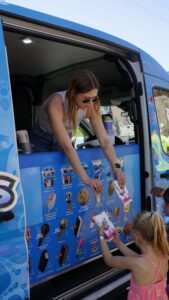
Most St. Louis ice cream trucks have evolved past the old school curbside van in an effort to find more ears and consistent income. Several operators now operate mini brick-and-mortar stores in neighborhoods such as the Central West End, Tower Grove, and the Delmar Loop. They maintain the ice cream truck St. Louis branding but incorporate seating, stable hours, and increased cold storage.
Others maintain the truck as a showroom on wheels and introduce a commissary kitchen to satisfy health codes and scale batch size. Catering services have become common. Trucks book private events, corporate gatherings, and wedding receptions with set menu packages and on-site scooping stations that require less setup than full-service dessert carts.
Partnerships with local chefs and restaurants generate menu excitement and cross-promotion. These partnerships span from one-off sundaes featuring pastries from local bakeries to plated desserts at farm-to-table eateries highlighting truck-made custard. Chefs in St. Louis occasionally loan signature flavors, such as boozy bourbon vanilla or toasted pecan, that the Ice Cream Truck St. Louis showcases for a month. This strategy generates traffic both ways.
They sell to restaurants, which will buy pre-packed pints or contract the truck for seasonal dessert nights. This helps the truck reach diners who might not catch it on a street route. Social media and online ordering have transformed how people discover and purchase from trucks. Real-time location posts on Instagram and Twitter or GPS-enabled apps like Beyond The Truck take the guesswork out of when a truck will roll around.
Many trucks take orders through web forms or third-party platforms for pickups or bulk orders. They also have mailing lists for announcing flavor drops, pop-up locations, and specials. Snapshots of new flavors, behind-the-scenes churn, recipe-test videos, and customer reviews create trust and extend appeal beyond block-by-block neighborhoods.
Backing trucks through the year keeps them alive through the seasonal slouches. Pop-up spots at winter markets, holiday fairs, and indoor food halls maintain income. Event partnerships with breweries, college campuses, and museums offer consistent monthly bookings. Retail partnerships let trucks sell pints through area grocery and specialty stores or put single serves in restaurant café casework.
Subscription services, such as monthly pint clubs or seasonal flavor boxes, provide reliable revenue and build stronger connections to customers. Actionable steps for readers include: follow local truck accounts, join email lists, book a truck for an event in advance, look for retail listings of pints, and suggest chef collaborations at local restaurants.
Conclusion
St. Louis ice cream trucks define summer streets and deliver simple joy. They market frozen treats quickly, take neighborhood paths, and access local flavor. Drivers understand what parks attract children after dark. Festivals and college quad corners drive big sales. Owners control expenses, adhere to local ordinances, and adjust menus to fit STL favorites such as gooey butter or toasted ravioli-inspired novelties. Riders take solace in a friendly jingle and chit-chat at the window. For those who want to start a truck, run one, or just catch a round, concentrate on transparent pricing, stable spots, and clean service. Walk around the corner. Sample a scoop at Tower Grove Park or by the Delmar Loop. Give a thumbs up and support the scene!
Frequently Asked Questions
How can I find ice cream trucks currently operating in St. Louis?
Look on local Facebook groups, Nextdoor, and Instagram. Most St. Louis vendors post routes and park locations daily. Certain neighborhood associations post schedules as well.
Do St. Louis ice cream trucks accept cards or only cash?
They probably accept cards or mobile payments by now, but smaller trucks might still be cash-only. Verify with the vendor’s social posts or inquire upon arrival to prevent surprises.
Are ice cream trucks in St. Louis licensed and inspected?
Yes. Trucks need to adhere to Missouri health department and City of St. Louis regulations. Honest vendors post permits or show them upon request.
What regional flavors or treats are unique to St. Louis trucks?
Expect frozen custard, Gooey Butter Cake-inspired goodies, and local twists on ice cream sandwiches. Vendors frequently put Midwestern spins on favorites.
When do trucks usually show up in St. Louis neighborhoods?
Late afternoons, evenings, and weekends—especially in the summer—are peak times. Parks and community events increase visits. Follow vendors for precise timing.
Can I book a St. Louis ice cream truck for a private event?
Yes. All trucks take private bookings for parties and corporate events. Get ahold of them early and finalize the menu, pricing, and parking requirements.
Are there allergy-friendly options available from local trucks?
A few operators provide non-dairy, nut, or gluten-free options. Review menus in advance and contact the vendor to verify cross-contact procedures.